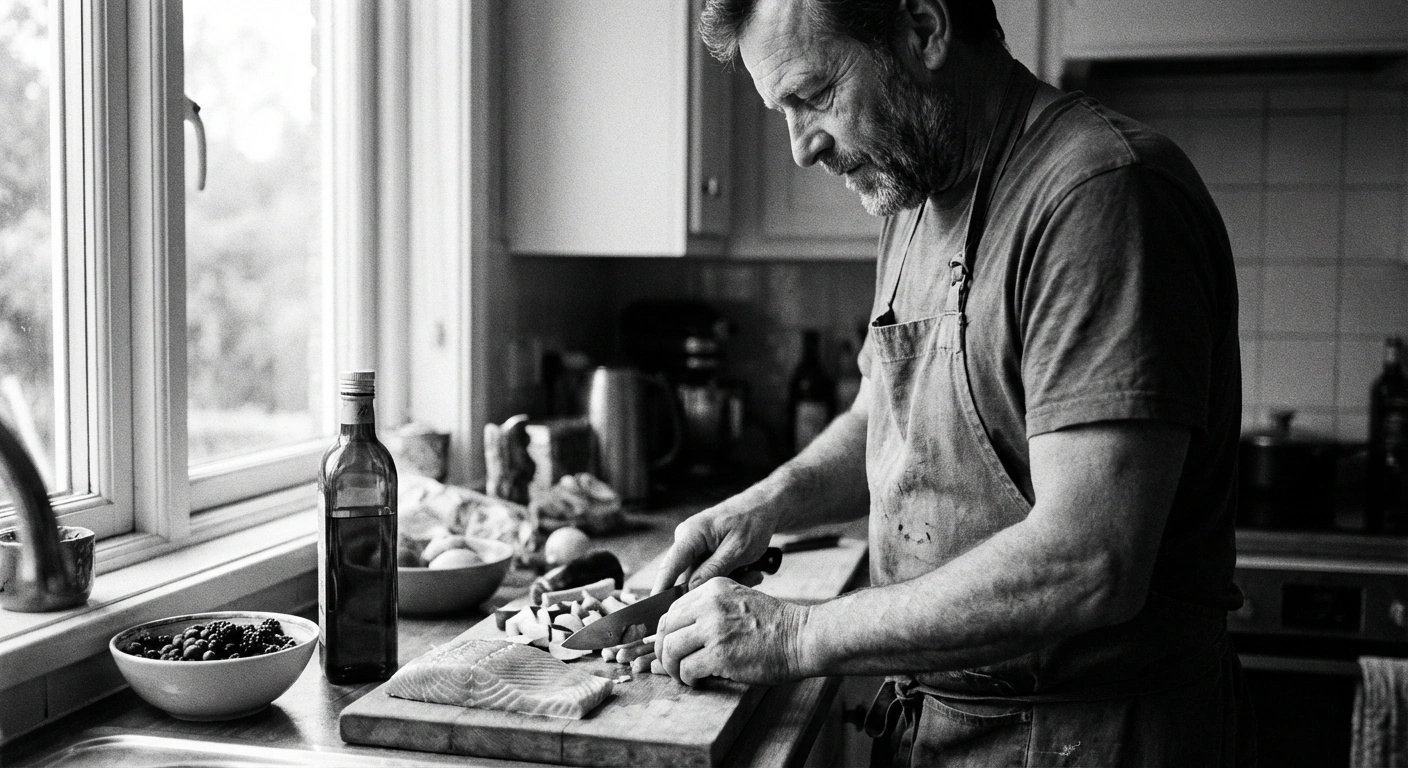
After 40, your body's relationship with inflammation changes. Acute inflammation — the kind that heals a cut or fights off infection — works fine. The problem is chronic low-grade inflammation, the kind that simmers at a cellular level for years without obvious symptoms. This silent process damages arterial walls, suppresses testosterone production, slows muscle repair, and raises your risk of cardiovascular disease, type 2 diabetes, and certain cancers.
What you eat drives this process more than almost anything else. The landmark PREDIMED trial — a randomized controlled trial of 7,447 people at high cardiovascular risk — found that a Mediterranean-style anti-inflammatory diet reduced high-sensitivity C-reactive protein (hs-CRP) by more than 30 percent, interleukin-6 (IL-6) by 35 percent, and TNF-alpha by 21 percent over five years. These are not minor improvements. CRP and IL-6 are direct markers of systemic inflammation, and driving them down has measurable effects on cardiovascular risk, joint function, and metabolic health.
This guide gives you the food framework and a complete seven-day meal plan you can use starting tomorrow.
Why Inflammation Gets Worse After 40
Three biological shifts accelerate chronic inflammation in middle age.
Testosterone decline. Testosterone suppresses inflammatory cytokines. As testosterone falls roughly 1 to 2 percent per year after 30, this suppression weakens. If you want to understand the testosterone side of this equation in more detail, read our guide to the 10 signs of low testosterone in men over 40.
Reduced cellular repair. Cells clear damaged proteins and organelles through a process called autophagy. This process slows with age, allowing inflammatory cellular debris to accumulate.
Visceral fat accumulation. Fat stored around the organs — particularly abdominal fat — functions as an active endocrine tissue that secretes inflammatory cytokines. The more visceral fat you carry, the higher your baseline inflammation. Our guide on how to lose belly fat after 40 covers the diet strategy for targeting this specifically.
The good news: dietary changes begin reducing inflammatory markers within weeks. You do not need to wait months to see the effects.
The Anti-Inflammatory Foods That Move the Markers
Fatty Fish (Salmon, Mackerel, Sardines, Anchovies)
The omega-3 fatty acids EPA and DHA reduce inflammation through two mechanisms: they compete with arachidonic acid (the precursor to inflammatory prostaglandins) and they directly suppress NF-kB, a master regulator of inflammatory gene expression. A 2023 meta-analysis of nine trials involving more than 2,000 people with osteoarthritis found that omega-3 supplementation reduced pain and improved joint mobility compared to placebo. Aim for two to three servings of fatty fish per week.
Target intake: 2,000 to 3,000 mg of combined EPA and DHA per day.
Extra Virgin Olive Oil
EVOO contains oleocanthal, a polyphenol that inhibits the same enzymes as ibuprofen — COX-1 and COX-2. The PREDIMED trial specifically credited olive oil as a primary driver of its anti-inflammatory results. Use at least two tablespoons per day. Cold-pressed, unfiltered varieties contain the highest polyphenol concentrations.
Berries (Blueberries, Cherries, Strawberries)
Berries contain anthocyanins, flavonoids that inhibit the production of inflammatory cytokines. Cherries, specifically, reduce uric acid levels and have shown in trials to reduce CRP. A one-cup serving of blueberries daily provides a meaningful therapeutic dose.
Leafy Greens (Spinach, Kale, Swiss Chard)
These contain quercetin and kaempferol — flavonoids that inhibit inflammatory enzymes — along with vitamin K, which modulates inflammatory markers through effects on the NF-kB pathway. Vitamin K deficiency is more common in men over 40 than most realize, particularly in those who avoid dairy.
Turmeric and Ginger
Curcumin, turmeric's active compound, inhibits NF-kB and reduces joint inflammation. A systematic review of 29 randomized controlled trials involving 2,396 participants found that curcumin improved joint function across osteoarthritis, rheumatoid arthritis, and ankylosing spondylitis. The critical detail: curcumin absorbs poorly without piperine (black pepper), which increases bioavailability by 2,000 percent. Always combine them.
Ginger contains gingerols and shogaols that suppress the same inflammatory pathways as NSAIDs but without gastrointestinal side effects.
Walnuts, Almonds, and Seeds
Walnuts are the only tree nut with significant ALA (plant-based omega-3). Almonds provide vitamin E, which protects cell membranes from oxidative damage. Flaxseeds and chia seeds add both ALA and soluble fiber, which feeds anti-inflammatory gut bacteria. A handful — about 30 grams — per day provides measurable benefit.
Green Tea
EGCG (epigallocatechin-3-gallate), green tea's primary polyphenol, inhibits TNF-alpha and IL-6 at the cellular level. Two to three cups per day provides a therapeutic dose without the cortisol spike associated with large amounts of caffeine.
Foods That Drive Inflammation — Minimize These
These are not banned foods. They are foods to reduce because their regular consumption sustains the inflammatory state you are trying to resolve.
Refined carbohydrates and added sugar. Glucose spikes trigger the release of inflammatory cytokines. White bread, pastries, sweetened beverages, and most breakfast cereals sit at the top of this list.
Industrial seed oils. Corn, soybean, sunflower, and safflower oils have extremely high omega-6 to omega-3 ratios — sometimes 20:1 or higher. The modern Western diet averages a ratio of 15:1 to 20:1. Researchers at the NIH have linked this imbalance to increased prostaglandin production and chronic inflammation. Replace with olive oil, avocado oil, or coconut oil for cooking.
Processed and packaged meats. Bacon, hot dogs, deli meats, and sausages contain advanced glycation end products (AGEs) and nitrites, both of which activate inflammatory pathways. These are the items to cut first, not red meat in general.
Alcohol beyond moderation. More than two drinks per day elevates CRP and disrupts gut barrier function, allowing bacterial endotoxins to enter circulation.
The 7-Day Anti-Inflammatory Meal Plan
This plan targets 2,200 to 2,500 calories per day, with a macronutrient distribution of approximately 35 percent fat (mostly unsaturated), 30 percent protein, and 35 percent carbohydrates. Adjust portion sizes to your weight and activity level.
Day 1 — Monday
Breakfast: Greek yogurt (full-fat, plain) with one cup blueberries, two tablespoons walnuts, and a drizzle of raw honey. Black coffee or green tea.
Lunch: Sardine and arugula salad. Two tins of sardines in olive oil over arugula, cherry tomatoes, cucumber, red onion, lemon juice, and two tablespoons EVOO. Slice of whole-grain sourdough.
Dinner: Baked salmon (6 oz) with roasted sweet potato, steamed broccoli, and a side of quinoa. Season the salmon with turmeric, black pepper, and garlic.
Snack: A small apple with two tablespoons almond butter.
Day 2 — Tuesday
Breakfast: Three-egg scramble with spinach, cherry tomatoes, and half an avocado. Cooked in EVOO. Green tea.
Lunch: Lentil soup. Use red lentils, diced carrots, celery, onion, garlic, cumin, and turmeric simmered in vegetable broth. Serve with a side salad dressed in EVOO and red wine vinegar.
Dinner: Grilled mackerel (two fillets) with roasted asparagus, brown rice, and a ginger-lemon dipping sauce. Add a handful of mixed nuts to finish the meal.
Snack: One cup cherries or a small bowl of mixed berries.
Day 3 — Wednesday
Breakfast: Overnight oats made with rolled oats, chia seeds, almond milk, one tablespoon ground flaxseed, and frozen blueberries. Top with walnuts.
Lunch: Chicken and vegetable stir-fry. Use boneless chicken thighs cooked in avocado oil with broccoli, bell peppers, snap peas, garlic, and fresh ginger. Serve over brown rice. Season with coconut aminos instead of soy sauce.
Dinner: Grass-fed beef (lean cut, 5 oz) with roasted Brussels sprouts and a large green salad. Dress the salad with walnut oil, Dijon mustard, and apple cider vinegar.
Snack: Celery sticks with hummus.
Day 4 — Thursday
Breakfast: Two-egg omelet with mushrooms, spinach, and goat cheese. One slice whole-grain toast. Black coffee.
Lunch: Tuna salad (canned light tuna in water) mixed with diced celery, red onion, avocado mashed instead of mayo, lemon juice, and black pepper. Serve on romaine leaves or whole-grain crackers.
Dinner: Baked cod with a turmeric-yogurt crust, roasted cauliflower, and a side of chickpea salad with cucumber, parsley, lemon, and EVOO.
Snack: A small handful of almonds and a cup of green tea.
Day 5 — Friday
Breakfast: Smoothie with one cup frozen berries, one scoop unflavored whey protein (or plant-based alternative), one tablespoon ground flaxseed, half a banana, one teaspoon turmeric, a pinch of black pepper, and almond milk. If you want to understand protein intake for men over 40 in more detail, see our guide on muscle recovery tips every man over 40 should know.
Lunch: Quinoa power bowl. Cooked quinoa topped with roasted vegetables (zucchini, bell pepper, red onion), two soft-boiled eggs, sliced avocado, and a tahini-lemon dressing.
Dinner: Grilled salmon with a walnut-herb crust, roasted sweet potatoes, and sauteed kale with garlic and EVOO.
Snack: One square dark chocolate (85 percent cacao or higher) with a cup of green tea.
Day 6 — Saturday
Breakfast: Whole-grain sourdough toast with smashed avocado, two poached eggs, sliced tomato, and a sprinkle of red pepper flakes. Black coffee.
Lunch: Mediterranean plate: hummus, cucumber, olives, cherry tomatoes, feta cheese, whole-grain pita, and a handful of walnuts.
Dinner: Slow-cooked chicken thighs with turmeric, ginger, garlic, coconut milk, and spinach served over brown rice. This is a simple one-pot meal built around the most potent anti-inflammatory spices.
Snack: Greek yogurt with a teaspoon of raw honey and a tablespoon of pumpkin seeds.
Day 7 — Sunday
Breakfast: Shakshuka made with two eggs poached in a sauce of canned crushed tomatoes, red and green bell peppers, onion, garlic, cumin, paprika, and a drizzle of EVOO. Serve with whole-grain bread.
Lunch: Large omega-3-rich salad: a base of mixed greens, one tin of sardines or half a can of wild salmon, roasted beets, walnuts, pumpkin seeds, sliced red onion, and a dressing of EVOO, balsamic vinegar, and Dijon mustard.
Dinner: Grilled wild shrimp with zucchini noodles, cherry tomatoes, garlic, and EVOO. A glass of red wine (if you drink) provides additional polyphenols from resveratrol.
Snack: A small bowl of mixed berries.
Making This Work Week After Week
Sunday batch cook. Cook a large pot of brown rice or quinoa, roast two sheet pans of vegetables, and prepare two protein sources — for example, bake salmon and cook a batch of lentils. These form the base of four to five meals without repeating the same dish.
Keep the pantry stocked for this plan. The core pantry items are: EVOO, canned sardines and wild salmon, dried lentils, quinoa, brown rice, canned tomatoes, turmeric, black pepper, ginger (fresh or powder), garlic, apple cider vinegar, and a variety of nuts and seeds. When these are on hand, you can build an anti-inflammatory meal in 20 minutes.
Address sleep. Poor sleep elevates IL-6 and CRP within 24 hours. Diet handles the nutrition side of inflammation, but sleep quality determines whether your baseline stays low. Our guide on how to improve sleep quality for men over 40 covers the specific protocols that work.
Pair this with movement. Zone 2 cardio — sustained moderate-intensity aerobic exercise — reduces systemic inflammation through multiple pathways, including improved mitochondrial function and reduced visceral fat. Read our guide on zone 2 cardio for longevity to understand how to structure this alongside your diet changes.
Consider targeted joint support. If joint pain is your primary motivation for reducing inflammation, some men find additional benefit from specific supplements after diet changes are in place. We reviewed the evidence for the top options in our guide to best joint supplements for men over 50.
What to Expect in the First 4 Weeks
Week 1-2: The most immediate change most men notice is reduced bloating and better energy after meals. The blood sugar swings driven by refined carbs and seed oils begin to stabilize.
Week 3-4: CRP begins to fall measurably. Studies show that dietary changes can reduce hs-CRP by 20 percent within 30 days when adherence is consistent. Joint stiffness begins to ease, particularly morning stiffness in the hands and knees.
Beyond 4 weeks: Sustained improvements in inflammatory markers, improved insulin sensitivity, and for men who were carrying excess visceral fat, measurable reductions in waist circumference.
Frequently Asked Questions
How quickly does an anti-inflammatory diet reduce CRP? Research shows significant reductions in hs-CRP within four to eight weeks of adherence to a Mediterranean-style diet. The PREDIMED trial showed 30 percent reductions in CRP over three years, but meaningful changes begin within the first month.
Do I need to eat fish every day? No. Two to three servings of fatty fish per week provides sufficient omega-3s for most men. On non-fish days, focus on walnuts, flaxseeds, and chia seeds to maintain omega-3 intake.
Is red meat allowed on an anti-inflammatory diet? Grass-fed red meat in moderation — two to three times per week — is not a primary driver of inflammation. The research implicates processed and cured meats (bacon, sausage, deli meats) far more than unprocessed beef. The key distinction is between whole foods and processed ones.
Can I follow an anti-inflammatory diet while intermittent fasting? Yes. The two approaches are compatible. Intermittent fasting reduces inflammation through separate mechanisms, including autophagy activation and improvements in insulin sensitivity. Read our guide on intermittent fasting for men over 40 to understand how to structure this.
Does alcohol fit into an anti-inflammatory diet? Red wine in moderation — one glass per day — provides resveratrol, a polyphenol with anti-inflammatory properties. However, more than two drinks per day clearly elevates inflammatory markers and disrupts gut barrier function. Keep alcohol to one drink with dinner if you include it at all.
What about supplements — should I take an omega-3 supplement? If you consistently eat two to three servings of fatty fish per week, supplementation is not necessary. If your fish intake is low, a quality fish oil providing 2,000 to 3,000 mg of combined EPA and DHA per day is reasonable. Choose a product that has been third-party tested for purity.
How is this different from the Mediterranean diet? It is essentially a structured application of Mediterranean eating with an emphasis on maximizing polyphenol and omega-3 intake. The Mediterranean diet consistently outperforms other dietary patterns in anti-inflammatory trials and forms the evidence base for this meal plan.
Medical Disclaimer: This article is for informational purposes only and does not constitute medical advice. Consult your healthcare provider before making significant dietary changes, particularly if you have existing conditions such as kidney disease, gout, or cardiovascular disease, or if you take blood-thinning medications, as high omega-3 intake can affect clotting. Always work with a qualified professional for personalized medical guidance.
Medical Disclaimer: This article is for informational purposes only and does not constitute medical advice. Always consult your healthcare provider before starting any new exercise, nutrition, or supplement program.